
Healing Stories
Proof Healing Happens
When someone we love receives a devastating diagnosis—or when we face our own health crisis—one of the things we seek is proof that healing is possible. Not the sterile statistics of survival rates, but living, breathing accounts of people who walked through the fire and emerged transformed.
These stories become beacons in our darkest moments, reminding us that extraordinary outcomes can defy expectation. A healing story isn't always about complete physical recovery. Sometimes it's about resolving emotional burdens, releasing limiting beliefs, or finding peace in the midst of uncertainty. Each story offers evidence that we're not alone—and that the human capacity for resilience, transformation, and even miracles is far greater than we might imagine.
The power of these stories extends beyond inspiration. They literally reshape what we believe is possible for ourselves. When we hear how someone overcame the same symptoms, navigated similar treatments, or found their way through despair to hope, something shifts. We begin to see pathways we couldn't see before. We question the fears and inherited beliefs that may be holding us back. We open to the possibility that healing can happen—for anyone, at any time.

A Note on Language
Healing doesn't always mean cured. In this context, healing is when we resolve an area of painbody within ourselves: emotional weight we've been carrying, sometimes for years.
Painbody is a term from Eckhart Tolle, pointing to the accumulated residue of past emotional pain that lives in us and gets activated by present circumstances.
Miracle isn't necessarily supernatural. Here, it means an extraordinary outcome that defies our left-brain expectation: the thing we didn't dare hope for.
Being a Beacon of Hope
Supporting a Loved One Through a Health Crisis
When someone you love is facing cancer or another serious diagnosis, you become part of their healing journey whether you're ready or not. This is a growth journey for you as well as for them.
Start with yourself. Build your own emotional resilience so you can stay grounded and present. Ease your own anxiety through reflection, rest, and support—you can't be a steady presence if you're falling apart inside.
Expand what healing means. This isn't just about curing the disease. It's about nurturing their spirit and mind. Fostering hope, inner peace, and the possibility of an outcome no one predicted.
Show them they're not alone. Share stories of others who found strength in adversity. Your presence—listening without judgment, offering understanding rather than solutions—reinforces that they're held by community.
Ask permission. Clarify your role in their journey. Are you there for physical presence? Researching options? Emotional processing? Let them tell you what they need. This gives them back a sense of agency when so much feels out of control.
Walk alongside, don't lead. You're not there to fix them. You're there to reinforce their own power to heal—emotionally, mentally, spiritually—even when the physical path is uncertain.
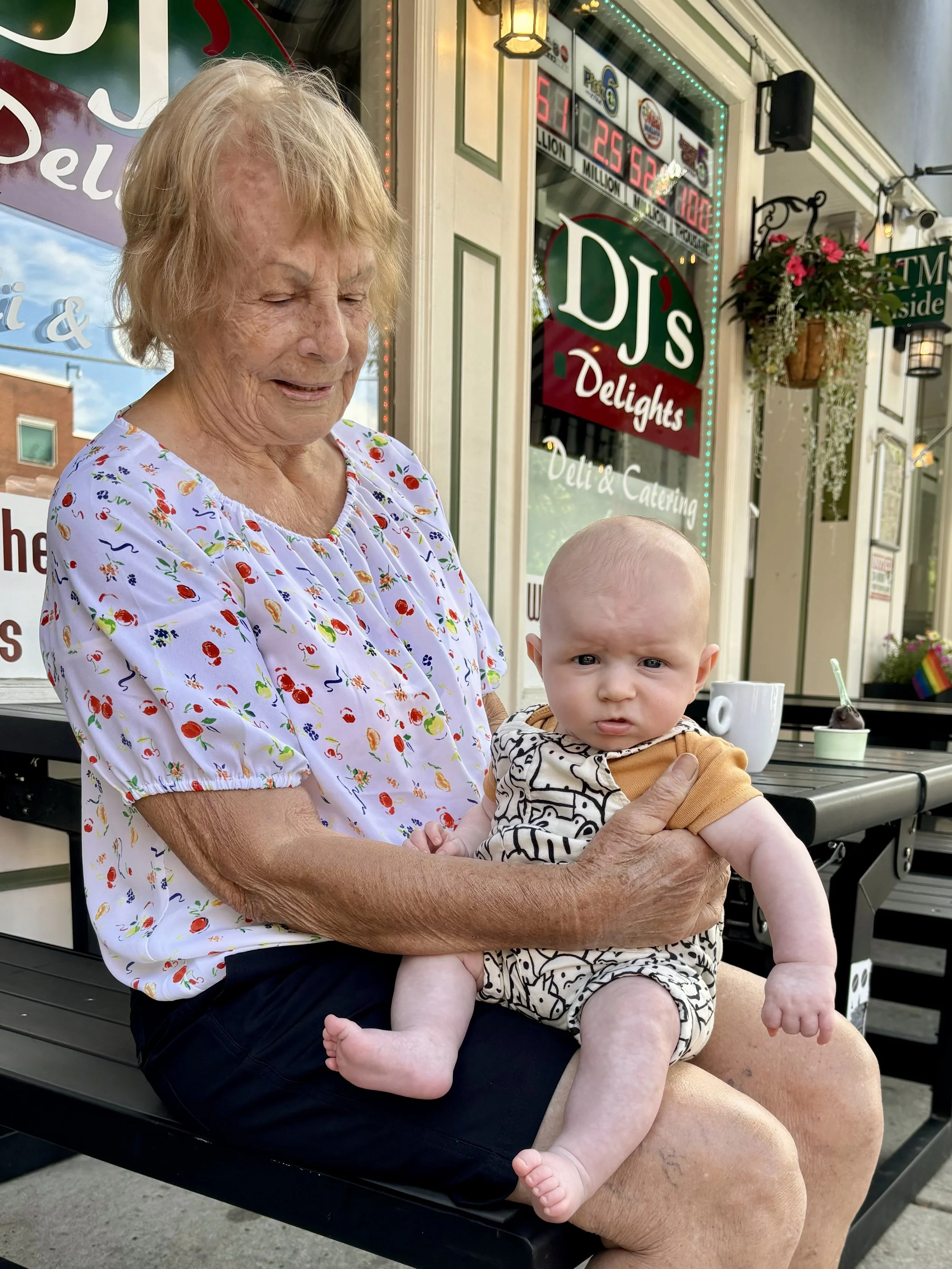
A great grandmother holding her baby Andy.
Healing Injuries
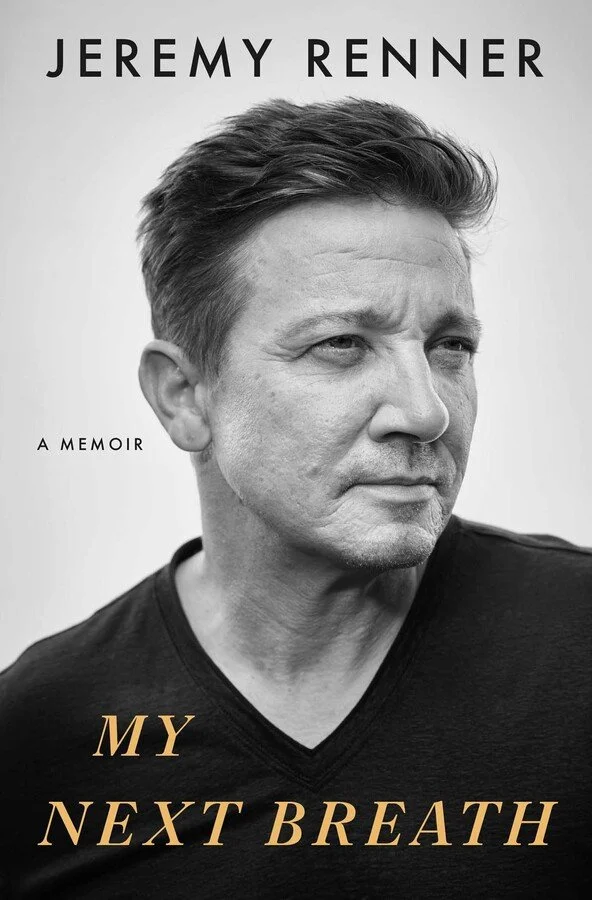
Renner's memoir details his near-fatal 2023 snowplow accident, his intensive recovery protocol, and his reflections on endurance and family.
Jeremy Renner’s aggressive recovery protocol
His 38 broken bones relied heavily on advanced regenerative medicine and cellular therapies. While he hasn't released a strict medical schedule, his regimen combines specific peptides for tissue healing and hormone optimization with holistic therapies. His recovery was heavily driven by a strict daily physical therapy schedule and a positive mindset.
Key Components of Renner's Protocol:
Tissue-Repair Peptides: Renner has explicitly mentioned using peptides like BPC-157 and Mots-c, which are highly touted in regenerative medicine for accelerating soft tissue repair, reducing inflammation, and promoting angiogenesis (new blood vessel development).
Hormone Optimization: His functional medicine approach included testing and optimizing hormones, specifically focusing on Testosterone and Growth Hormone, which are vital for rebuilding muscle mass and bone density.
Cellular Energy: He incorporates NAD+ (nicotinamide adenine dinucleotide) via subcutaneous and intramuscular injections to boost cellular health and speed up recovery.
Physical & Regenerative Modalities: The peptide stack was paired with Hyperbaric Oxygen Therapy (HBOT) at 2.0 atmospheres, red light/infrared therapy, cryotherapy (cold chambers), and intravenous drips.
Featured Interviews & Podcasts
The Joe Rogan Experience: A deep-dive, long-form conversation exploring his survival mindset, the mechanics of his physical trauma, and the extensive medical and holistic modalities he utilized during his intense recovery.
SmartLess Podcast: An in-depth conversation covering his recovery mindset, career trajectory, and life adjustments following his accident.
Let's Talk Off Camera with Kelly Ripa: An episode where he opens up about his road to recovery, the support of his Marvel co-stars, and how previous life experiences unexpectedly prepared him for survival.
Armchair Expert with Dax Shepard: A wide-ranging retrospective interview discussing his early career as a makeup artist, his initial real estate investments, filming The Hurt Locker, and his connection to the Marvel community.